

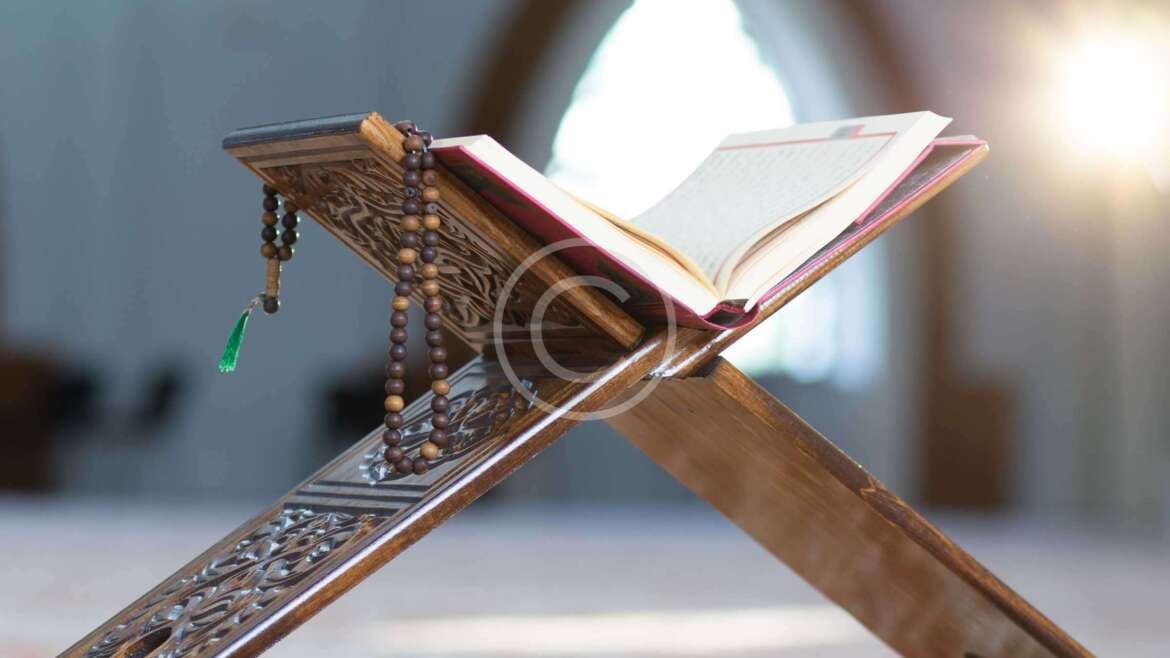
The Quran is not only a book of guidance but a complete framework for building character. Its teachings shape how a person thinks, behaves, and interacts with others. When understood and lived, the Quran nurtures individuals who embody honesty, patience, justice, and compassion.
Islamic character (Akhlaq) is not developed through instruction alone—it is cultivated through consistent reflection on the Quran and sincere effort to live by its message.
Character Is Central to the Quranic Message
From the very beginning, the Quran emphasizes moral responsibility and accountability. Allah describes the Prophet Muhammad ﷺ as the perfect example of Quranic character:
“And indeed, you are of a great moral character.”
(Surah Al-Qalam 68:4)
The Prophet ﷺ was the living embodiment of the Quran. His manners, decisions, patience, and mercy were shaped directly by divine guidance.
Honesty and Truthfulness
The Quran repeatedly commands truthfulness, making it a foundation of Islamic character:
“O you who believe! Fear Allah and be with those who are truthful.”
(Surah At-Tawbah 9:119)
When children grow up understanding these teachings, honesty becomes a natural habit rather than a forced rule. The Quran teaches that truthfulness brings dignity and closeness to Allah.
Patience and Self-Control
Life is filled with challenges, and the Quran prepares believers to face them with patience (Sabr):
“Indeed, Allah is with the patient.”
(Surah Al-Baqarah 2:153)
Patience in hardship, anger, and temptation builds emotional strength. Through Quranic guidance, children learn restraint, perseverance, and inner peace.
Justice and Fairness
Justice is a core value of Islamic character. The Quran commands fairness even when it is difficult:
“O you who believe! Stand firmly for justice, even against yourselves or parents and relatives.”
(Surah An-Nisa 4:135)
This principle develops courage, integrity, and a sense of responsibility toward society.
Mercy, Kindness, and Compassion
The Quran consistently calls believers toward mercy and gentleness:
“And We have not sent you, [O Muhammad], except as a mercy to the worlds.”
(Surah Al-Anbiya 21:107)
The Prophet ﷺ said:
“The merciful are shown mercy by the Most Merciful. Be merciful to those on the earth, and the One above the heavens will have mercy on you.”
(Tirmidhi)
These teachings nurture empathy, kindness, and social responsibility.
Humility and Accountability
The Quran teaches humility by reminding humans of their purpose and accountability:
“And do not walk upon the earth arrogantly.”
(Surah Al-Isra 17:37)
A Quran-guided character recognizes success as a blessing from Allah and remains grounded, grateful, and responsible.
The Quran as a Moral Compass
When understood, the Quran becomes a daily guide for decision-making. It helps individuals distinguish right from wrong, remain ethical in difficult situations, and maintain balance in personal and social life.
The Prophet ﷺ said:
“The best among you are those who have the best manners and character.”
(Sahih al-Bukhari)
This Hadith clearly shows that faith is incomplete without good character.
Teaching the Quran with Understanding
Character development flourishes when the Quran is taught with meaning, reflection, and practical application. Children who understand the Quran:
-
Develop strong moral values
-
Build emotional intelligence
-
Practice discipline and responsibility
-
Grow into ethical leaders
This approach transforms Quranic education from memorization into lifelong guidance.
Conclusion
The Quran shapes character by nurturing honesty, patience, justice, mercy, humility, and accountability. When its teachings are understood and practiced, they produce individuals who reflect the true spirit of Islam.
In a world facing moral confusion, raising a generation shaped by the Quran is one of the greatest investments in the future.